
Restaurant Reputation in 2026: How Reviews Can Strengthen Your Local SEO and Attract More Diners
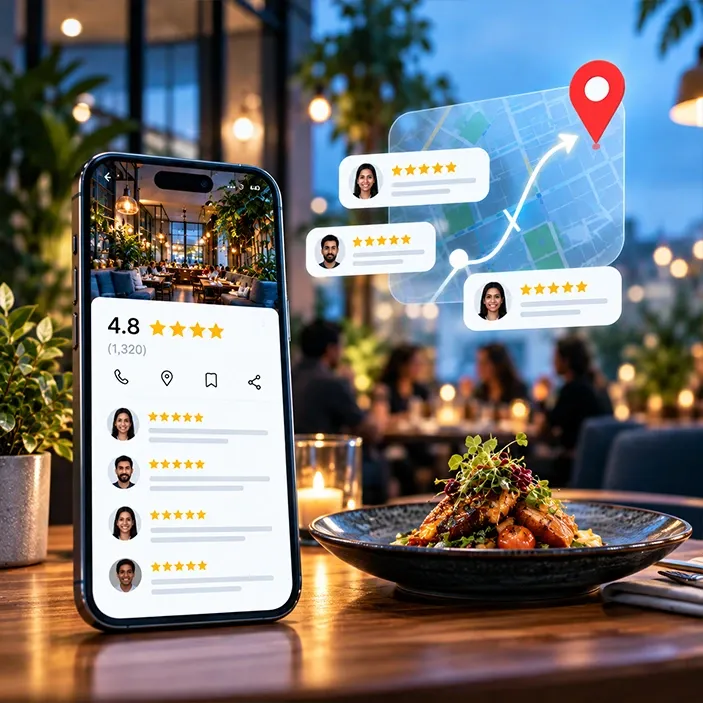
In 2026, diners are health-conscious; they check scores, updated photos, read reviews, compare menus, and sometimes research a restaurant’s hygiene and food quality more thoroughly than they investigate their next holiday destination.
That makes your online reputation more than a branding exercise; yes, a part and parcel of your digital storefront. And increasingly, reviews also affect how easily diners discover your restaurant through local search. So, if your restaurant has great food but a neglected Google Business Profile and a review section, you may have a visibility problem hiding behind the kitchen door.
Why Restaurant Reputation Matters More Than Ever
Restaurant reputation management means monitoring reviews, responding to feedback, spotting recurring issues, and using customer insights to improve the dining experience.
Because when it comes to food, everyone has an opinion- some say it’s too salty, too sour, or ‘perfect!’ And the internet captures every word of it. That’s why reviews play an important role in how diners discover and choose restaurants.
Your reputation can influence two things simultaneously:
Whether people find you
Whether they trust you enough to visit
That's where reputation meets local SEO.
Reviews and Local SEO: The Connection Restaurants Cannot Ignore
Reviews aren't a magic SEO button; visibility depends on relevance, customer voice, location, and prominence, while genuine reviews help boost your online presence and credibility. Nevertheless, keep your Google profile updated, showcase the latest menu photos, list your working hours, and encourage your diners to post reviews soon after their visit. This helps local diners search for your restaurant easily.
Google Reviews for Restaurants Are More Than Star Ratings
5-star ratings are always impressive. But for diners, scores are not everything. They read the comments. A restaurant with 3.9 stars and reviews repeatedly referring to 'slow service' impacts the business, whereas one where customers repeatedly praise the hospitality, food, and hygiene does not.
That’s why Google reviews for restaurants are treated as customer intelligence.
Analyse the patterns below.
Are diners repeatedly complimenting:
A standout dish?
Cordial staff?
Quick service?
Healthy ambience?
These are highlights that call for promotion.
Are customers repeatedly complaining about:
Inordinate delays?
Hygiene?
Stale food?
Limited parking space?
Unfriendly staff?
Those are operational flaws.
Negative Reviews Aren't the Villain
Here's a bitter truth: even number-one restaurants receive negative reviews. You could serve a flawless dish, and someone might still complain that the washroom was not clean. The goal isn't to ignore negative reviews. The goal is to respond professionally and diligently and take corrective measures based on the complaint. This gives customers the impression that their voices are being heard. Above all, responding to both positive and negative feedback is part and parcel of a smart and effective reputation strategy.
Instead of saying sorry for an unfavorable concern, just
Acknowledge the concern.
Apologise sincerely if need be.
Do a root cause analysis.
Contact the customer privately if needed, and resolve the concern.
Last but not least, never try to turn your communication into a courtroom.
The Secret Weapon: Consistency
Normally, a restaurant collects many reviews during the first stage and goes silent mode later on. That is a real problem. Recent feedback shows that customers are still visiting and talking about the business. Moreover, a regular flow of reviews gives potential diners the current experience they expect. Well, the same principle applies to responding, too. If your last 35 reviews have responses, but the latest 15 are lying unanswered, customers notice.
And yes, they notice the awkward three-word responses too. ‘Thanks for feedback.’ Good responses should sound human, specific, and appropriate to the review.
How Restaurant Owners Can Build a Stronger Review Strategy
You don't need to turn your staff into full-time review collectors. Instead, build review generation into the customer journey.
1. Ask at the right moment
Soon after the dine-out, when the customer pays the bill and leaves the table, ask for feedback. They are more likely to leave feedback when the experience is fresh.
Consider touchpoints such as:
Post-dine-in experience
After a successful takeaway order
On e-receipts
Through their applications
The objective is ultimately to make the process easy.
2. Don't buy reviews
Imagine your competitor has 4.9 reviews and you are sitting on 3.9. This rating may look tempting, but never take undesirable steps that destroy credibility. After all, in the long term, it’s the genuine voice that customers trust and connect with.
3. Respond consistently
Thank customers from the heart. Address genuine complaints. Never argue.
Never copy-paste the same response 100 times.
4. Turn feedback into action
If more than the desired number of guests complain about slow service, don't simply write 50 beautifully worded apologies. Fix the concern. When customer feedback travels back into operations, reputation management starts working.
Why Multi-Location Restaurants Need a Different Approach
Managing reviews for one restaurant is challenging; managing 15 is chaos. Restaurant Reputation Management Software helps multi-location businesses monitor reviews, spot trends, streamline responses, and compare locations, while keeping the brand voice consistent.
The real question is: ‘What are customers telling us, and what action have we taken to improve?’ That turns reviews from customer concerns into useful business insights.
AI Is Changing Restaurant Reputation Management
In 2026, manually checking every review platform every morning is a herculean task. Using AI, a large number of customer reviews can be addressed within seconds; recurring concerns spotted; sentiments analysed; and responses streamlined. Tools like ReviuAI help businesses turn critical reviews into actionable insights much faster, smarter, and more proactively.
Your Reputation Is Part of Your Restaurant's Menu
A menu tells diners what you serve. Reviews tell them what the experience might actually be like. And in 2026, that distinction matters. A beautiful website can attract attention; a clever social media campaign can create buzz; a well-optimised Google Business Profile can improve discovery. But reviews provide something different: social evidence from customers who have already tasted the food.
That is why reputation should be an ongoing business process; it shouldn't be something restaurant teams check only after a negative review goes viral.
For that:
Monitor customers' voice.
Respond with empathy like a human being.
Resolve recurring concerns.
Prompt for natural feedback.
Keep your local presence live and active.
Ask why? It’s because when somebody searches ‘best restaurant near me,’ your reputation shouldn’t be a hindrance.
FAQs
1. Do restaurant reviews help local SEO?
Reviews are one part of the broader local search ecosystem. People get influenced by interactive feedback; reviews that talk about signature dishes, timely service, locations, etc. These factors enhance local SEO for restaurants and determine people's choices. The only thing that needs to be taken care of is that reviews should be real and not manufactured.
2. How can restaurants get more genuine reviews?
The moment a customer leaves the dining table, ask for feedback; customers welcome reviews when their experience is fresh. At the same time, consider seeking reviews through SMS, receipts with QR codes, and offering loyalty benefits.
3. Is Restaurant Reputation Management Software useful for restaurant chains?
Yes, Restaurant reputation management software is very useful as it plays a pivotal role in monitoring and managing reviews from different locations; it identifies repeat concerns, responds to them in no time, and converts customer experiences into marketing strategies.